Where Kids Are Safe, Inside and Out
Through intentional teaching and deep listening, we make sure every camper feels like they matter, because they do.
Social and emotional safety at summer camp isn’t a nice-to-have, it’s the foundation for everything that happens here. At Arowhon, kids grow because they feel safe to try, to speak up, to be themselves. That’s not by accident. It’s because we teach our staff how to build that kind of community, and we hold each other accountable to it every day.
Promoting Kindness, Preventing Bullying
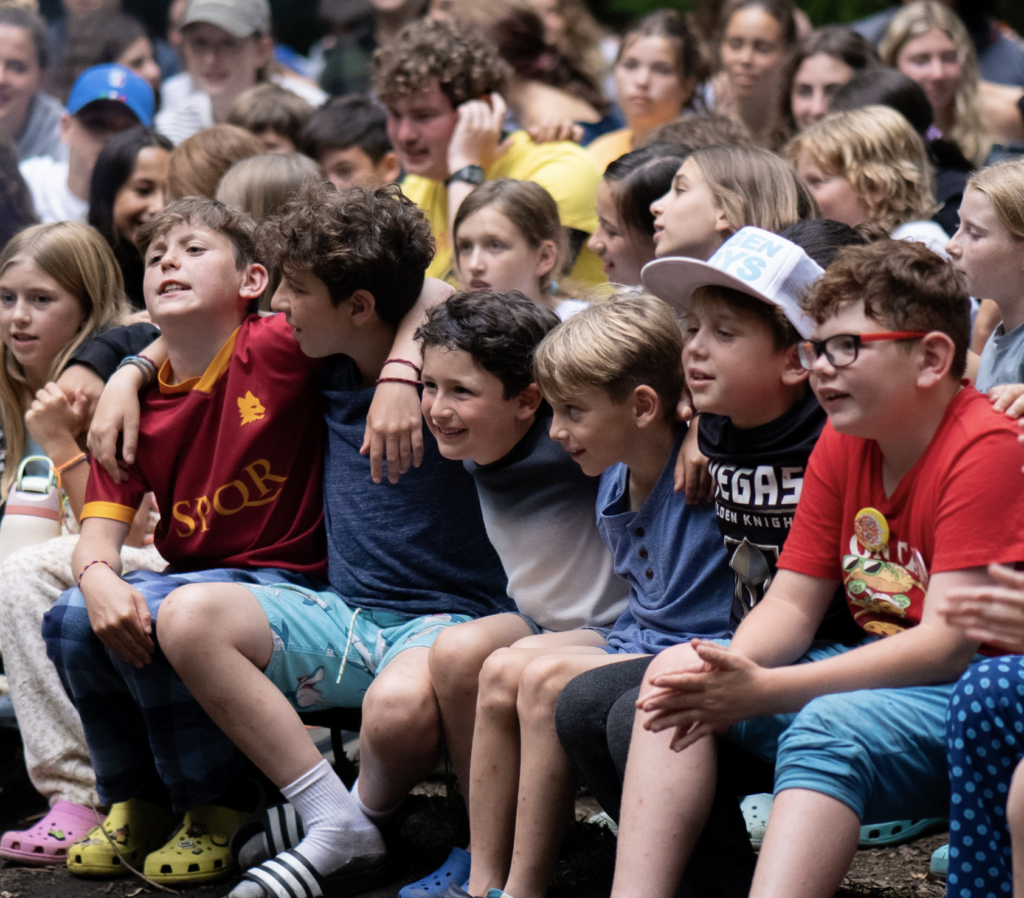
At Arowhon, kindness is the expectation and bullying has no place in our community. Campers learn to look out for one another, include others, and speak up when something doesn’t feel right. When kids know they’re respected and supported by the people around them, they can take the kinds of brave steps that camp is all about — whether that’s tackling the high ropes course, or sharing that they’re having a hard day. With caring guidance from staff and a strong culture of empathy among campers, Arowhon is a place where everyone belongs.
The Social Safety Toolkit
We train every single staff member in our custom-built Social Safety Tool Kit, a hands-on, heart-first approach developed over decades to help build emotionally safe communities.
This means our team knows how to:
- Recognize when a child is struggling, even if they’re not saying it out loud.
- Facilitate group dynamics so cabins feel like safe, supportive families.
- Help kids navigate conflict with empathy and skill.
- Model vulnerability, accountability, and kindness.
Here are some of the tools we use:
Take place nightly, right before bed. It’s a time for every camper to reflect on what felt good today, what didn’t, and what they learned. This helps campers strengthen listening and communication skills, and builds trust and empathy.
Take place once a week and go deeper. These are guided, age-appropriate discussions about friendship, pressure, identity, and the emotional ups and downs of growing up.
This is our approach to conflict resolution. No yelling. No blame. Just calm, supportive conversations that help campers learn to speak up for themselves and work through issues with courage and compassion.
Bullying incidents are taken seriously. If a camper is being excluded or mistreated, our staff know how to step in, supporting both the child in distress and the group dynamic as a whole, to restore safety and connection.
This is how we raise kids who don’t just feel safe, but who know how to create safety for others. It’s not magic. It’s intention.
Cabin Culture That Builds Community
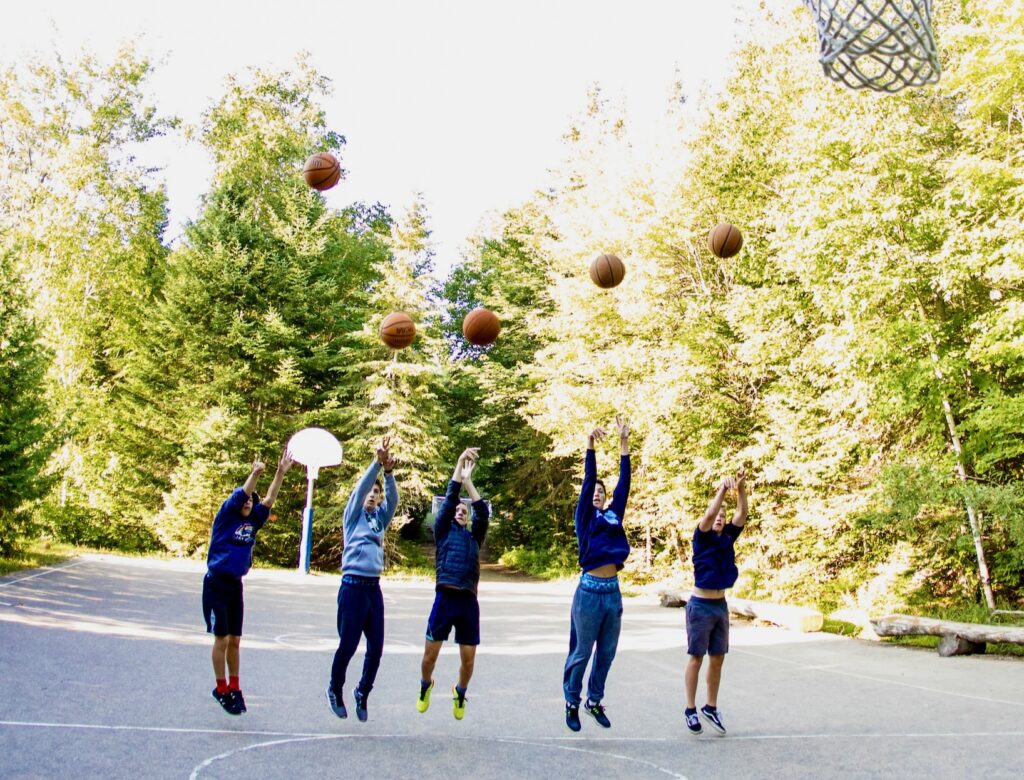
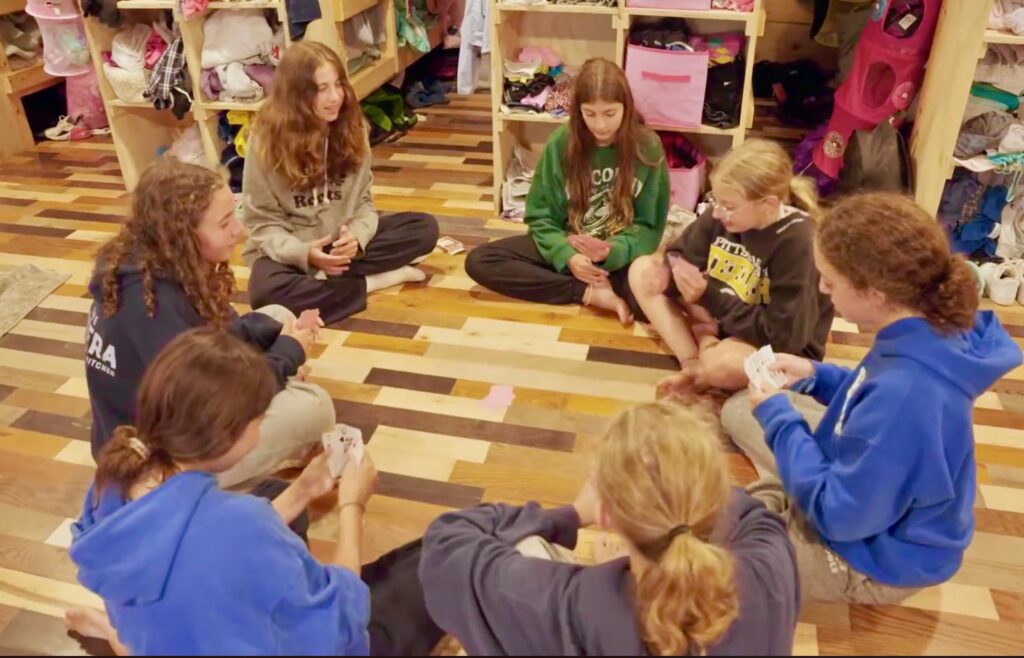
The magic of camp starts in the cabin. That’s where kids learn to live alongside others – with different personalities, from different backgrounds – with respect and harmony. We teach our campers how to build connections, take responsibility, and communicate openly. Every day includes structured time for check-ins and guided conversations, so no one gets left behind or lost in the shuffle. Campers leave with lifelong friendships not because they just had fun together, but because they grew together.
Counsellors live with their campers, not in separate quarters. With 2-3 counsellors staying in a cabin with 8-12 campers, there is round-the-clock supervision and attention. Each cabin has electricity, a bathroom, and comfortable beds with private-stall shower-houses that are a one-minute walk away.
When Kids Struggle, We’re Ready
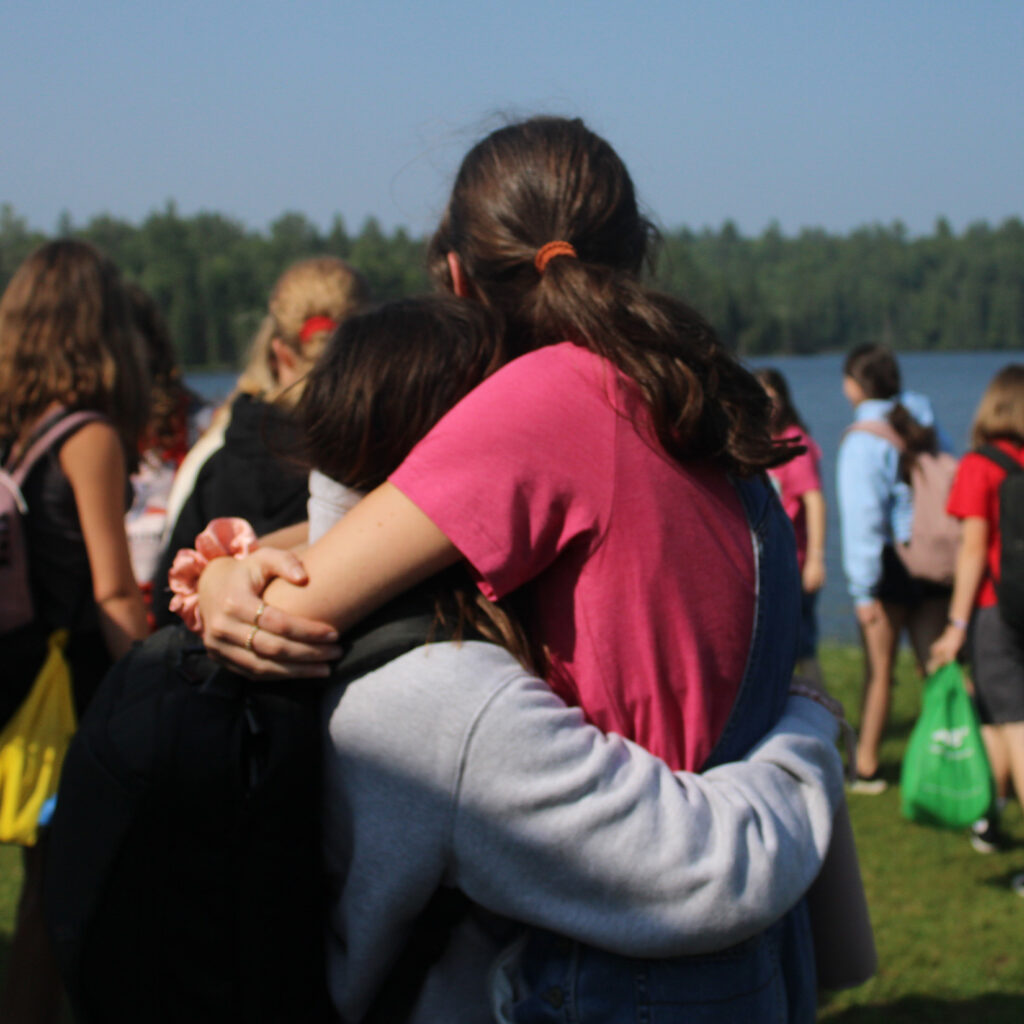
Of course, there are hard moments. This is real life, and growing up is messy. When those moments come, our staff don’t panic. They listen. They support. They know how to help kids feel safe again. We partner closely with families, and we take every camper’s emotional well-being seriously. This is not a “sink or swim” kind of camp. It’s a place where kids are supported as they learn to navigate real-life challenges and come out stronger on the other side.